



E-learning is fundamentally reshaping the present learning environment by making education more flexible, interactive, and learner-centric. Here’s how it’s changing the way learning happens today:
1. Learning Beyond Classroom Walls
Education is no longer confined to a physical classroom. Students can attend classes, access study materials, and submit assignments from anywhere, allowing learning to continue without interruptions.
2. Flexible & Self-Paced Learning
E-learning allows students to learn at their own pace. Recorded lectures, digital notes, and practice tests help learners revisit concepts until they fully understand them.
3. More Interactive Learning Experience
Videos, animations, quizzes, simulations, and virtual discussions make learning more engaging compared to traditional chalk-and-talk methods.
4. Personalized Education
Digital platforms adapt to individual learning styles. Teachers can provide personalized content, assignments, and feedback based on each student’s progress.
5. Stronger Student–Teacher–Parent Connection
Online platforms enable real-time communication through messages, notifications, and progress reports, keeping parents involved in their child’s learning journey.
6. Real-Time Tracking & Assessment
Teachers can instantly track attendance, assignments, performance, and learning gaps using analytics and dashboards, enabling quicker academic interventions.
7. Encourages Digital Skills
Students develop essential 21st-century skills such as digital literacy, self-discipline, collaboration, and independent learning.
8. Supports Blended & Hybrid Learning
E-learning complements traditional teaching by combining classroom instruction with digital tools, creating a more balanced and effective learning model.
9. Inclusive & Accessible Education
Students with different learning needs or geographical limitations can access quality education through e-learning platforms.
10. Prepares Students for the Future
By integrating technology into education, e-learning prepares students for higher education and modern workplaces that rely heavily on digital tools.
Conclusion
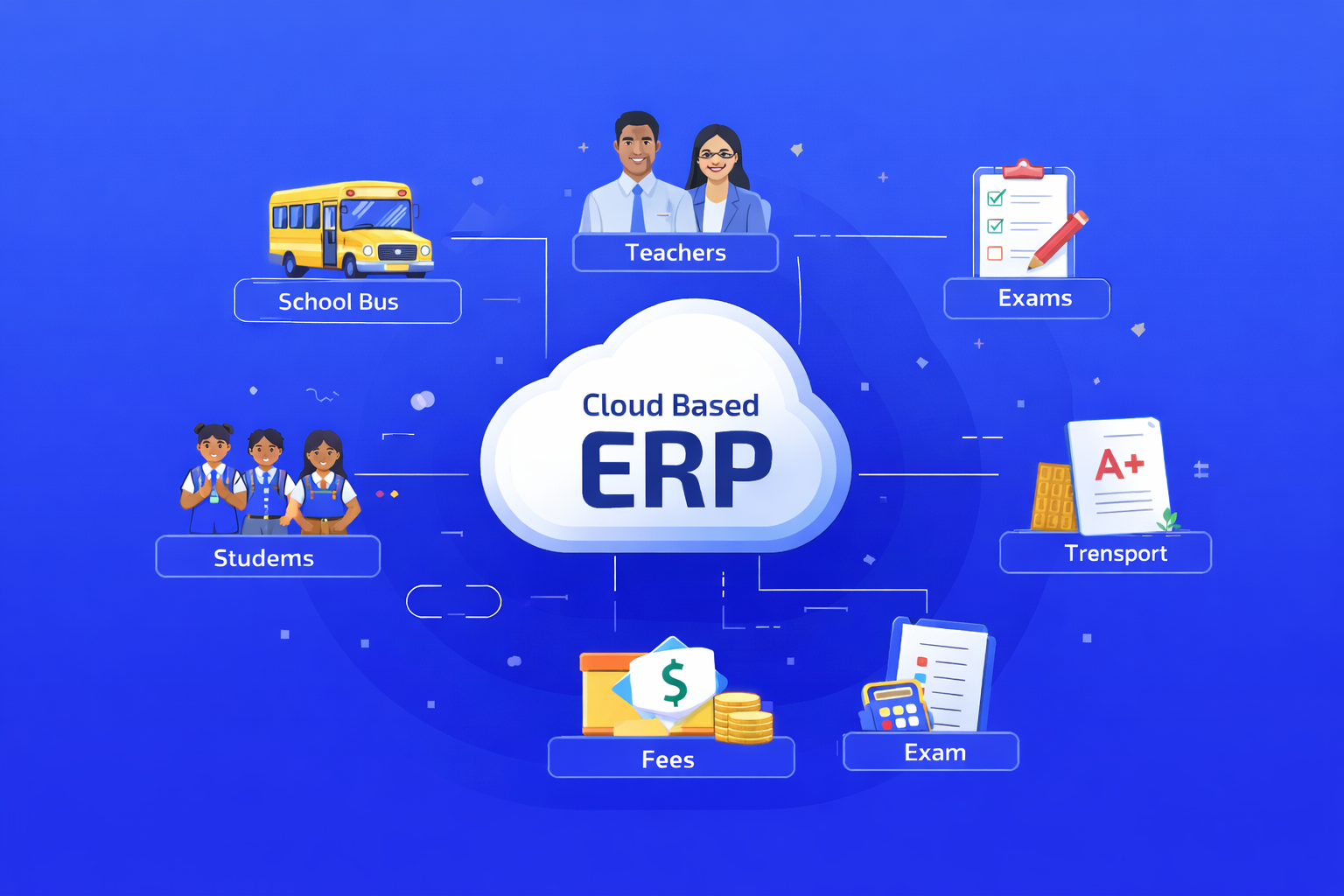
E-learning is transforming the present learning environment into a more connected, data-driven, and student-focused ecosystem. When supported by platforms like School Management ERP systems, it enhances both academic delivery and institutional efficiency.

Leave a Reply